
Bridging the Gap: How Home Therapy Equipment Can Help You Continue Your Physical Therapy Progress
Finishing physical therapy is a milestone worth celebrating. You’ve worked with your therapist, learned exercises, improved your strength and mobility, and hopefully started feeling more like yourself again.
But what happens when your scheduled PT visits become less frequent—or end altogether?
For many patients, this is where the real challenge begins.
Physical therapy may only take place a few hours each week, while the rest of your recovery happens at home. Having the right equipment at home can help bridge the gap between clinic visits and your everyday routine, making it easier to stay consistent with the program your physical therapist has recommended.
The Importance of Continuing Your PT Program at Home
A physical therapist does much more than simply guide you through exercises. Your therapist evaluates your condition, develops a treatment plan, monitors your progress and adjusts your program as you improve.
But the results of that work depend heavily on what happens between appointments.
Your therapist may give you a home exercise program that includes stretching, strengthening, balance work or mobility exercises. Following that program consistently can be an important part of maintaining your progress.
The challenge is that many patients don't have access to the same tools at home that are available in a PT clinic.
That's where home therapy equipment can help.
From the PT Clinic to Your Living Room
A typical physical therapy clinic may have equipment designed to support different aspects of rehabilitation—from pain management and muscle stimulation to therapeutic exercise and recovery.
You don't necessarily need to recreate an entire physical therapy clinic in your home. Instead, the goal is to identify simple, appropriate tools that complement the program your therapist has already established.
Depending on your condition and your therapist's recommendations, home equipment may help with:
- Pain management
- Muscle stimulation
- Circulation and recovery
- Flexibility and mobility
- Strengthening
- Joint support
- Post-exercise recovery
- Maintaining an exercise routine
The right equipment can make it easier to stay engaged with your rehabilitation program when you're not sitting across from your therapist.
Equipment That Can Help Support Your Home Program
At Orthout.com, we offer a variety of rehabilitation and recovery products designed for use by patients, athletes and professionals.

RED Light Therapy + Treatment tables
At home Red Light therapy treatments can help you recover faster.
Studies have shown that Infrared and red-light therapy can enhance cellular energy production, offering a wide range of potential benefits:
• Reduce Pain: Address acute and chronic discomfort naturally.
• Improve Range of Motion: Help patients regain mobility faster.
• Minimize Inflammation: Speed up recovery times for injuries.
• Increase Circulation: Support healing and overall wellness.

If you have the space, a treatment table can be a great complement to your therapy plan, especially for patients with long term needs.

Therapeutic Exercise Equipment
One of the biggest advantages of having basic therapy equipment at home is convenience.
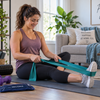
Resistance bands, exercise accessories and other rehabilitation tools can make it easier to perform the exercises prescribed by your therapist without needing to travel back to the clinic.
The equipment doesn't replace your therapist's expertise. It simply gives you additional tools to perform the program you've been taught.

Recovery and Compression Products
Recovery can involve more than just exercise.
Compression sleeves and other recovery products can provide support and may be useful as part of an overall recovery routine. Products such as Incrediwear anti-inflammatory wearables are popular with athletes and active individuals looking for comfortable support during activity and recovery.
Again, these products aren't intended to replace medical treatment. Think of them as another tool that may complement your overall rehabilitation and recovery strategy.

Insoles and Foot Support
Sometimes the foundation of a successful rehabilitation program starts with your feet.
For patients dealing with foot discomfort, plantar fascia issues or lower-extremity biomechanical concerns, properly selected insoles may provide additional support during walking and exercise.
A physical therapist, podiatrist or other qualified professional can help determine whether an insole makes sense for your particular situation.

Cold, Heat and Other Recovery Tools
Many PT clinics use different modalities to help patients manage discomfort and support recovery.
Having appropriate cold or heat therapy equipment at home can make it easier to incorporate these strategies into your routine when recommended by your healthcare provider.
The key is knowing when and how to use them. More isn't necessarily better, and certain conditions may require specific precautions.
Don't Try to Become Your Own Physical Therapist
It's important to make one distinction:
Home therapy equipment should complement your physical therapy program—not replace your physical therapist.
One of the biggest mistakes patients can make is assuming that because an exercise or modality helped in the clinic, more of it must be better at home.
Your therapist understands your diagnosis, limitations and progression. If something causes increased pain, swelling, numbness, weakness or other concerning symptoms, stop and contact your healthcare provider rather than simply pushing through it.
Before purchasing therapy equipment, consider asking your PT:
"Is there anything you recommend I use at home to help me continue the work we're doing here?"
That's a simple question that can lead to a much more productive home program.
Think of Home Equipment as a Bridge
The transition from regular PT visits to independent rehabilitation doesn't have to be an abrupt one.
Think of your therapy journey as a bridge:
Physical Therapy Clinic → Home Program → Independent Recovery
Your therapist provides the expertise and personalized plan. Your home exercise program gives you a way to continue that work between appointments. Appropriate home equipment can provide the tools that make following that program easier.
The goal isn't to turn your home into a physical therapy clinic.
It's to give you the convenience, consistency and equipment you need to keep moving forward.
Stay Active in Your Recovery
Whether you're recovering from an orthopedic injury, surgery, joint problem or sports-related condition, rehabilitation is often a process rather than a single event.
Your PT appointments are important—but so is everything you do between them.
At Orthout.com, our goal is to help bridge that gap by providing therapy, rehabilitation and recovery equipment that can support patients at home and help them stay engaged in their recovery.
Before adding a new modality or piece of equipment to your routine, talk with your physical therapist or healthcare provider to make sure it's appropriate for your condition.
Explore rehabilitation and recovery equipment at Orthout.com and find tools that can help you continue your progress beyond the clinic.